
Economy Basics Today: Understanding the Fundamental Concepts
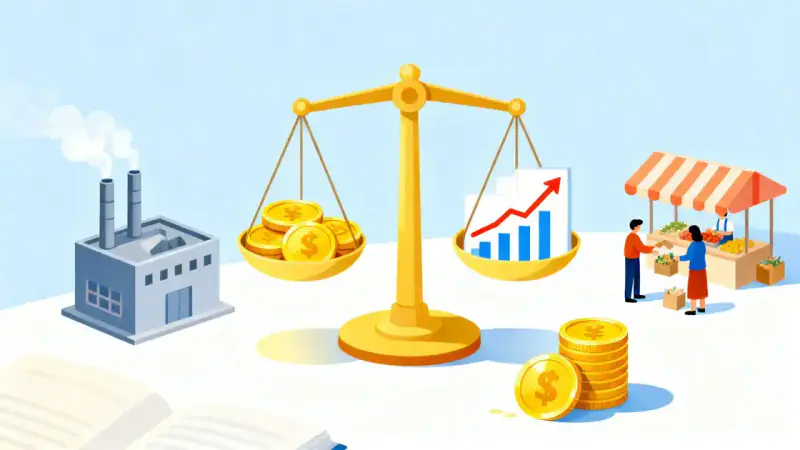
The economy basics today shape how we understand our world. They influence everything from prices at the store to how businesses operate. Understanding these concepts is crucial for making informed decisions regarding finances.
Basic economic principles guide individuals when making personal and investment choices. Grasping topics like supply and demand can help navigate various market conditions effectively.
Keep reading to discover insights that could enhance your understanding and empower your financial journey.
What Are the Basics of Economy?
The basics of economy involve understanding how goods and services are produced, distributed, and consumed. Every economy needs resources to function, and these resources are limited, leading to choice and trade-offs.
Basic concepts include supply and demand, which determine prices in the market. When demand is high for a product, prices often rise. Conversely, if supply exceeds demand, prices may decrease.
Other important principles include opportunity cost, which refers to what is given up to choose something else. Understanding these fundamentals makes economic decisions clearer.
Key Economic Principles Explained
Key economic principles guide how economies function. These principles form the foundation for understanding market behavior and financial decisions. Concepts like supply and demand, opportunity costs, and incentives are essential in economics.
Supply and demand explain how prices are set based on how much of a product is available and how many people want it. Opportunity cost refers to the value of what you give up when making a choice.
Incentives influence decisions by creating rewards or penalties for specific actions, shaping consumer and producer behavior in the market.
The Role of Supply and Demand
Supply and demand are fundamental concepts in economics. They explain how prices are set in a market. When demand for a product increases, prices often rise because people are willing to pay more.
On the other hand, if supply exceeds demand, prices tend to fall. This relationship helps markets reach a balance, known as market equilibrium.
Understanding this balance is crucial for both consumers and producers, influencing their choices and strategies.
Understanding Economic Indicators
Understanding economic indicators is critical for analyzing a country’s financial health. These indicators provide key insights into the performance of an economy. Common indicators include gross domestic product (GDP), unemployment rates, and inflation.
GDP measures the total value of goods and services produced. Unemployment rates show how many people are looking for work. Inflation indicates the rising prices of goods over time.
By monitoring these indicators, individuals and policymakers can make informed financial decisions and establish effective economic strategies.
Fiscal and Monetary Policy Essentials
Fiscal and monetary policies are key tools used by governments and central banks to manage the economy. Fiscal policy involves the use of government spending and taxation to influence economic activity. For example, increasing spending can boost demand and create jobs.
Monetary policy, on the other hand, focuses on controlling the money supply and interest rates. Central banks adjust these rates to stabilize the economy and control inflation.
Both policies work together to help maintain healthy economic growth and stability.
The Importance of Financial Literacy
Financial literacy is the ability to understand and manage money effectively. It involves knowing how to budget, save, invest, and make informed financial decisions. Being financially literate helps individuals navigate their personal finances and avoid debt.
Understanding basic financial concepts empowers people to plan for their future. This includes saving for emergencies, retirement, and major purchases, ensuring stability and security.
As financial products become more complex, the need for financial literacy grows. It is essential for making smart choices in today’s economy.
How the Economy Affects Daily Life
The economy significantly impacts daily life in numerous ways. It affects job opportunities, wages, and prices of goods and services. When the economy is strong, people often find better job prospects and higher salaries.
Conversely, a weak economy can lead to job losses and reduced income. This can make it harder for families to afford essentials like food and housing.
Understanding these economic effects is crucial for making informed personal financial decisions.
Current Economic Trends to Watch
Current economic trends can deeply influence financial decisions. Trends are patterns or movements in the economy that show how things are changing. Many factors can drive these trends, such as technology, globalization, and shifts in consumer behavior.
Some key trends to watch include sustainability efforts, remote work, and digital currencies. These trends can change how businesses operate and how people approach work and money.
Staying informed about economic trends helps individuals adapt and make better financial choices.