Economic Changes Now: What You Need to Know Today
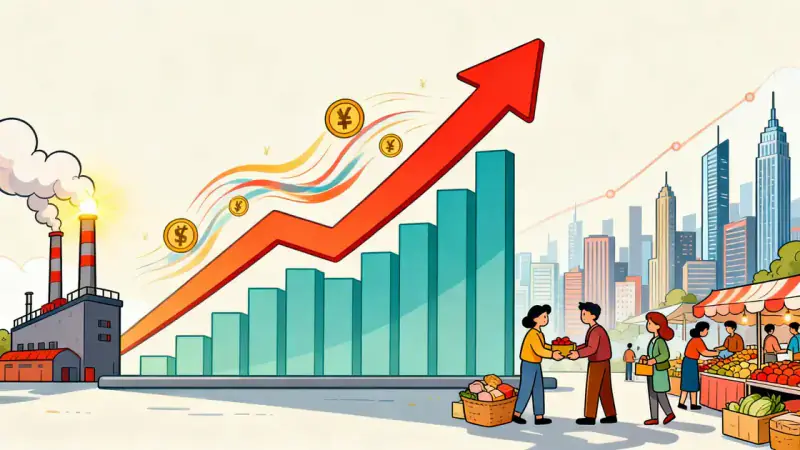
Economic changes now are shaping our world in significant ways. From job markets to inflation rates, these changes impact every aspect of our lives. Understanding these factors is crucial.
Employment opportunities might shift as industries adapt to new economic realities. Rising costs of living bring up new challenges for families and businesses alike.
Keep reading to discover how these trends affect you directly and what steps you can take to navigate this evolving landscape.
Understanding Economic Changes Now
Economic changes now affect everyone, from workers to businesses. Understanding these changes helps people make smarter choices. The economy is constantly shifting, and so are job opportunities and costs.
Many factors influence these changes. They can be local, national, or global. Events like pandemics, wars, or technological advancements can cause immediate impacts in the economy.
Keeping up with economic changes is essential for planning your future. It allows individuals and families to adapt effectively and make informed decisions.
Key Factors Influencing Current Changes
Understanding the key factors influencing current economic changes is crucial. These factors can shape our job markets and the cost of living. They include political decisions, technological advancements, and global events.
Political decisions can greatly impact economic stability. Changes in government policies can lead to new regulations or taxes that affect how businesses operate. These decisions directly influence market trends.
Technological advancements also drive economic changes. Innovations can create new industries, change job requirements, and impact how we buy and sell goods.
Finally, global events like pandemics and wars can cause sudden shifts. They affect supply chains and overall economic confidence.
Impact on Employment and Salaries
The impact on employment and salaries is significant during economic changes. As industries adapt, job opportunities may increase or decline. Understanding these shifts helps people navigate their careers better.
Some jobs may become obsolete due to technology, while others may emerge. Workers must stay informed about what skills are in demand to remain competitive.
Salaries can also fluctuate based on economic conditions. Workers might see changes in pay, which depends on industry growth and demand for skilled labor.
Overall, adapting to these changes is crucial for maintaining employment and achieving fair salaries.
Effects on Inflation and Living Costs
The effects on inflation and living costs are deeply connected to economic changes. Inflation happens when prices for goods and services rise. This can lead to higher living costs for everyone.
When inflation increases, people spend more on essentials like food and housing. This reduces their purchasing power and can create financial stress.
Higher living costs can affect people’s budgets. Families may need to cut back on non-essential items to manage their expenses more effectively.
Understanding these effects is important for making informed financial choices.
Global Trade and Economic Relationships
Global trade and economic relationships are crucial for national growth. Countries depend on each other for goods and services. These relationships can help strengthen economies worldwide.
Trading with other nations allows countries to access resources they might lack. Strong economic ties can also lead to better diplomatic relations and stability.
However, global trade also comes with challenges. Issues like tariffs or trade wars can disrupt these relationships, affecting prices and availability of products.
Understanding these dynamics is essential for grasping how the global marketplace works.
Investments and Financial Planning Today
Investments and financial planning today are more important than ever. With changing economic conditions, people must adapt their strategies. Smart planning helps secure a stable financial future.
Investments can take many forms, including stocks, bonds, and real estate. Understanding each type is key to making informed decisions.
Financial planning involves setting goals and creating budgets. Individuals should evaluate their current situation and consider both risks and opportunities in today’s market.
By staying informed and proactive, people can enhance their financial security.
Adapting to Changes in Consumer Behavior
Adapting to changes in consumer behavior is essential for businesses today. As trends shift, companies must understand how customers think and act. This helps them stay competitive in the marketplace.
Consumer preferences can change due to factors like technology, social media, and economic conditions. Businesses must monitor these shifts to meet customer needs effectively.
Businesses can benefit from understanding their customers better. They can create targeted products and marketing strategies that resonate with their audiences.
By staying adaptable, companies can thrive in an ever-evolving market and build stronger relationships with consumers.
Future Perspectives on Economic Shifts
Future perspectives on economic shifts highlight the ever-changing landscape of global markets. As technology advances and societies evolve, economies must adapt. Understanding these trends is vital for individuals and businesses alike.
Emerging technologies, like artificial intelligence and renewable energy, are expected to influence economic growth and job creation. These advancements can offer new opportunities, but also challenges that need to be addressed.
Additionally, consumer preferences are shifting towards sustainability and digital solutions. Businesses must prepare for these changes to remain competitive and relevant.